
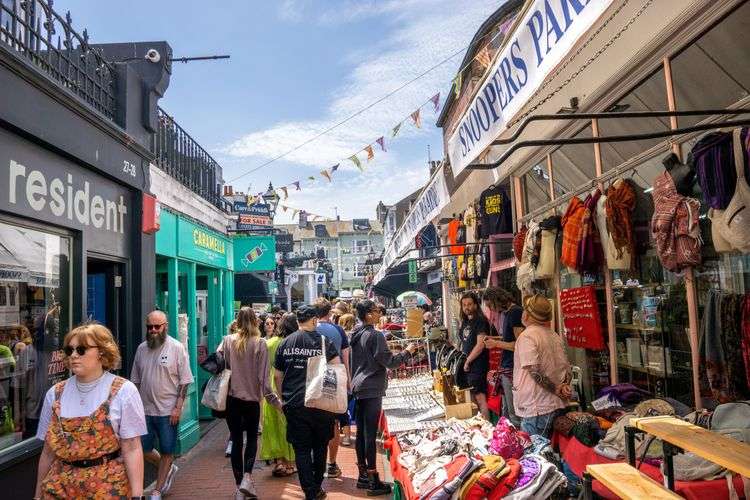
Think you know Brighton? Think again.
Most people know Brighton Palace Pier, the Royal Pavilion and the famous pebble beach. But venture a little further into the city’s streets, gardens and quieter neighbourhoods, and you’ll discover a completely different side of Brighton.
From secret walled gardens and historic underground police cells to unusual museums, peaceful village gardens and coastal walks, Brighton and the surrounding area have plenty of places that are easy to overlook.
Whether you’re a local looking for something new to do, planning a different kind of day out or visiting Brighton for the first time, these hidden gems offer a chance to explore beyond the usual tourist attractions.
Here are 15 places to add to your Brighton bucket list.
1. The Secret Garden in Kemp Town
A peaceful walled garden tucked away from the busy city
One of Brighton’s more intriguing hidden corners can be found in Kemp Town, where a historic walled garden offers a quiet escape from the surrounding streets.
The Secret Garden, associated with the Antony Dale Trust, is a secluded green space with unusual features, enclosed garden areas and a sense of stepping away from the bustle of the city.
Its tucked-away setting makes it particularly appealing if you’re looking for somewhere a little different from Brighton’s better-known parks and gardens.
It’s also a reminder that some of the city’s most interesting places aren’t immediately obvious from the main roads.
Why visit? For a peaceful wander, garden photography and a different perspective on Kemp Town.
Good to know: Access and opening times may be limited, so check visitor information before making a special trip.
2. The Old Police Cells Museum
Discover the hidden history beneath Brighton Town Hall
If you enjoy unusual museums and local history, the Old Police Cells Museum is well worth investigating.
Situated beneath Brighton Town Hall, this distinctive attraction explores the history of policing and crime in Brighton and Sussex. Its original holding cells provide an atmospheric setting that feels very different from a conventional museum.
Visitors can learn about historical policing, notable cases and the stories associated with the building and its former occupants.
It’s the sort of place you could easily walk past without realising what lies beneath your feet.
Why visit? For fascinating local history, unusual exhibits and a glimpse into Brighton’s less familiar past.
Good to know: Visits are organised around guided tours and availability can be limited. Check the museum’s current arrangements before visiting.
3. Kipling Gardens, Rottingdean
A tranquil garden in a historic Sussex village
A short journey east of central Brighton brings you to Rottingdean, a picturesque village with its own character and history.
Tucked away behind flint walls near the village green, Kipling Gardens is a peaceful public garden with enclosed sections, colourful planting and places to sit and relax.
The gardens take their name from the writer Rudyard Kipling, who lived in Rottingdean. They offer a lovely contrast to Brighton’s busier seafront and shopping streets.
You can combine a visit with a wander around the village, a look at its historic buildings or a walk towards the coast.
Why visit? For a quiet garden, village atmosphere and a slower-paced afternoon.
Cost: Free public access.
Good to know: The gardens have visitor rules, including restrictions on dogs and ball games. Check local guidance before visiting.
4. Preston Manor and Its Gardens
Step into Brighton’s Edwardian past
Preston Manor is one of Brighton’s most interesting historic attractions for anyone curious about how people lived in the past.
This historic house near Preston Park offers a glimpse into Edwardian domestic life, with period rooms and stories connected to the people who lived and worked there.
The experience helps bring social history to life, exploring the differences between the lives of the household and its servants.
The surrounding gardens are also worth discovering, providing a quieter setting away from the central seafront.
For visitors who have already explored Brighton’s famous royal landmarks, Preston Manor offers another side of the city’s history.
Why visit? For historic interiors, local stories and a different kind of cultural day out.
Good to know: The manor’s opening days can be limited. Check the official Brighton & Hove Museums website before travelling.
Website: brightonmuseums.org.uk
5. Hove Museum of Creativity
A creative collection inside a Victorian villa
Brighton’s neighbouring area of Hove has plenty to discover, including a museum that deserves more attention from visitors exploring the wider city.
Hove Museum of Creativity is housed in a Victorian villa and features collections spanning toys, film, local history, art and contemporary craft.
One of its distinctive attractions is the Wizard’s Attic, a collection of historic toys and games that can appeal to adults as much as children.
The museum also explores Hove’s creative heritage, making it a worthwhile stop for anyone interested in the stories behind the area.
Why visit? For an unusual museum experience, family-friendly displays and a different perspective on local history.
Cost: Entry is generally free, although special exhibitions or activities may have separate arrangements.
Good to know: Check opening times before visiting.
Website: brightonmuseums.org.uk
6. Brighton Toy and Model Museum
A nostalgic attraction hidden beneath the railway station
You might have passed Brighton railway station hundreds of times without realising that a fascinating collection of toys and models sits beneath it.
Brighton Toy and Model Museum occupies historic railway arches on Trafalgar Street. Inside, visitors can discover an extensive collection of model trains, toys and other objects from different periods.
For adults, it’s an opportunity to revisit childhood favourites and discover how toys have changed over the decades. For children, the models and miniature worlds provide plenty to explore.
Its location beneath the station gives it a distinctive atmosphere and makes it easy to visit when arriving by train.
Why visit? For nostalgia, model railways and an unusual indoor attraction.
Good to know: Admission charges apply. Check current opening arrangements and ticket prices before visiting.
Website: brightontoymuseum.co.uk
7. One Garden Brighton, Stanmer Park
A walled garden and a quieter side of Brighton
Stanmer Park is well known to walkers and outdoor enthusiasts, but One Garden Brighton provides another reason to explore this part of the city.
The destination features restored garden spaces, planting displays, a nursery and places to stop for refreshments. Depending on the time of year, you can see different seasonal colours and discover plants suited to a range of gardens.
It’s a good option if you want a relaxed outing that combines a little nature with somewhere to sit down and enjoy a break.
You can also explore the wider Stanmer Park area, making this an excellent choice for a longer day outdoors.
Why visit? For garden inspiration, seasonal displays and a peaceful change of scenery.
Good to know: General garden access and individual attractions may have different arrangements. Check the official website for current information.
Website: onegardenbrighton.com
8. Brighton Open Air Theatre
Enjoy live performances in an outdoor setting
Not every hidden gem needs to be a quiet place. Sometimes it’s an experience that offers something different from the usual city-centre entertainment.
Brighton Open Air Theatre, often known as BOAT, is an outdoor performance venue in Dyke Road Park, in the Seven Dials area.
Its programme can include theatre, comedy, music, dance and family entertainment, offering a different way to enjoy a show.
Watching a performance outdoors gives the experience a distinctive atmosphere, particularly during the warmer months.
Why visit? For live entertainment in an unusual setting and an opportunity to discover something new.
Good to know: The theatre operates seasonally, generally during the warmer part of the year. Check the programme and ticket availability before planning a visit.
Website: brightonopenairtheatre.co.uk
9. Brighton Open Market
Discover independent traders and local finds
While many visitors concentrate on the shops in The Lanes and North Laine, Brighton Open Market offers another way to discover independent businesses.
Located on London Road, the covered market brings together traders selling a variety of goods. Depending on the stalls operating, you may find food, crafts, clothing, gifts and handmade items.
It’s a good place to browse at your own pace and support independent traders rather than sticking to the usual high-street shops.
You can also combine a visit with a walk around the London Road area, which has its own mix of cafés, shops and local businesses.
Why visit? For independent shopping, local traders and a different side of Brighton’s retail scene.
Good to know: Individual traders may have different opening days and hours.
Website: brightonopenmarket.co.uk
10. Explore Brighton’s Twittens
Get lost in the narrow alleyways of the old town
One of the most enjoyable ways to discover Brighton is simply to leave the main shopping streets and explore the smaller passageways.
The historic area known as The Lanes developed from the layout of the old fishing settlement of Brighthelmstone. Its narrow alleyways, sometimes called twittens, connect streets that can feel like a maze.
Although The Lanes are now a popular destination, exploring the less obvious routes can reveal historic buildings, tucked-away courtyards, independent shops and details you might otherwise miss.
Slow down, look up at the architecture and pay attention to the small details around you.
Why visit? For historic streets, photography and discovering unexpected corners of the city.
Cost: Free to explore.
Top tip: Visit outside the busiest shopping periods if you’d prefer a quieter wander.
11. Discover Seven Dials
A neighbourhood with its own character
Seven Dials is often overlooked by visitors who stay close to the seafront and central shopping streets.
The neighbourhood centres around a distinctive road junction and has a more residential feel, with independent cafés, small businesses and streets worth exploring on foot.
It’s a good place to take a break from the busiest tourist areas and discover a different side of everyday Brighton life.
You don’t necessarily need a fixed itinerary here. Pick a café, explore the surrounding streets and see what you find.
Why visit? For independent businesses, a relaxed atmosphere and a glimpse of Brighton beyond the main attractions.
Cost: Free to explore, with optional spending at local businesses.
12. Walk the Undercliff Walk
Discover a different stretch of Brighton’s coastline
Brighton’s seafront is famous, but the coastal route between Brighton Marina and Rottingdean offers a different perspective on the surrounding landscape.
The Undercliff Walk follows the base of the chalk cliffs, providing a relatively flat route alongside the sea.
It’s popular with walkers, runners and cyclists, and the views make it a rewarding way to spend time outdoors without heading far from the city.
You can turn the walk into a longer outing by continuing towards Rottingdean and exploring the village.
Why visit? For coastal scenery, fresh air and a route away from the busiest parts of the promenade.
Cost: Free.
Good to know: Check access information and weather conditions before setting out, particularly after heavy rain or periods of rough weather.
13. Explore the Fishing Quarter
Discover Brighton’s working seaside heritage
Brighton has a long connection with fishing, and traces of that heritage can still be found along the western seafront.
The fishing quarter offers a different atmosphere from the main tourist areas, with boats, working beach activity and views that connect modern Brighton with its past.
It’s an interesting place to explore on foot if you want to understand more about how the city developed before tourism became such an important part of its identity.
You can combine the walk with a visit to the Brighton Fishing Museum, subject to opening arrangements.
Why visit? For local history, coastal photography and a less polished but fascinating side of Brighton.
Cost: Exploring the public seafront is free.
14. Find Brighton’s Street Art Away from the Main Routes
A colourful side of the city waiting to be discovered
Brighton’s creative identity isn’t confined to galleries and performance venues. It can also be found on walls, shutters and buildings throughout the city.
North Laine is a good starting point, but exploring the surrounding streets and neighbourhoods can reveal other murals, painted shopfronts and changing works of street art.
Part of the fun is that the scene is constantly evolving. A work you discover on one visit may be replaced or changed by the time you return.
Take your time, look down side streets and bring a camera if you enjoy urban photography.
Why visit? For free creative inspiration, photography and a fresh perspective on familiar streets.
Cost: Free.
Top tip: Be respectful of residents and businesses when photographing artwork, particularly in quieter residential areas.
15. Take a Trip to Rottingdean Village
A historic village just beyond the city
If you want to experience a different atmosphere without travelling far from Brighton, Rottingdean is well worth a visit.
This historic coastal village has flint buildings, winding streets, traditional pubs, independent businesses and a village green that feels a world away from the busiest parts of the seafront.
You can explore the village on foot, visit Kipling Gardens, discover its local history and enjoy a walk along the nearby coastline.
It’s an excellent choice for a slower-paced afternoon, particularly if you’ve already explored Brighton’s central attractions.
Why visit? For village character, historic streets, gardens and coastal walks.
Cost: Walking around the village and visiting public spaces is generally free.
Top tip: Combine Rottingdean with a walk along the Undercliff Walk for a longer coastal outing.
How to Explore Brighton’s Hidden Gems on a Budget
One of the best things about discovering Brighton’s lesser-known places is that you don’t need to spend a fortune.
Many of the experiences above involve walking, exploring public spaces or browsing neighbourhoods. Others have admission charges, but can make a worthwhile addition to a day out.
If you’re trying to keep costs down:
- Choose free gardens and public parks.
- Explore the city’s historic streets on foot.
- Combine several nearby places into one trip.
- Check museums for free admission options.
- Look for community events, markets and outdoor performances.
- Use public transport for places outside the central area.
Remember to check opening times before travelling, especially for smaller museums, gardens and seasonal venues.
A Suggested Route for Discovering Hidden Brighton
If you’d like to explore several of these places in one day, here’s a simple itinerary to get you started.
Morning: North Laine and the old town
Start by exploring the twittens and independent streets around The Lanes. Continue towards Brighton Toy and Model Museum if you’d like to visit an indoor attraction.
Lunchtime: Brighton Open Market
Head towards London Road to browse the market and find somewhere to eat.
Afternoon: Preston Park or Preston Manor
Choose a walk through Preston Park or check whether Preston Manor is open for visitors.
Alternative coastal day
If you prefer being outdoors, explore the fishing quarter, walk along the Undercliff Walk and continue towards Rottingdean and Kipling Gardens.
You won’t be able to fit every attraction into one day, and that’s part of the appeal. Choose the places that interest you most and leave time to discover something unexpected along the way.
Frequently Asked Questions About Hidden Gems in Brighton
What are the best hidden gems in Brighton?
Some interesting options include the Old Police Cells Museum, the Secret Garden in Kemp Town, Preston Manor, Hove Museum of Creativity, Brighton Toy and Model Museum and Kipling Gardens in Rottingdean.
Are there hidden gems in Brighton that are free?
Yes. You can explore historic streets, discover street art, walk along the Undercliff Walk, visit public gardens and parks, and explore the fishing quarter without paying an admission fee. Always check access rules before visiting individual sites.
What unusual things can you do in Brighton?
You could explore the historic police cells beneath Brighton Town Hall, visit a museum hidden beneath railway arches, discover a walled garden or attend an outdoor theatre performance during the season.
Where can I go in Brighton to avoid the crowds?
Consider exploring Seven Dials, Preston Park, Stanmer Park or the coastal route towards Rottingdean. These places can offer a quieter experience than the busiest central attractions, although conditions vary depending on the day and season.
Are Brighton’s hidden gems suitable for families?
Many are. The Toy and Model Museum, Hove Museum of Creativity, parks and coastal walks can be suitable for families. Check age suitability, accessibility and opening arrangements for individual attractions.
Can I explore Brighton’s hidden gems without a car?
Yes. Many central locations can be reached on foot, and Brighton has local bus services connecting areas further out. Check your route in advance if you’re visiting Stanmer Park, Rottingdean or other places outside the centre.
Discover More of Brighton with What’s On In Brighton
Brighton is full of places that reward curiosity. Beyond the famous pier and bustling seafront, there’s a city of historic streets, independent businesses, unusual attractions, peaceful gardens and local stories waiting to be discovered.
Whether you’re planning a weekend visit or looking for something new to do close to home, exploring these hidden gems is a great way to see a different side of Brighton and Hove.
And there’s always something else happening, from live music and comedy to markets, workshops, exhibitions and family activities.
At What’s On In Brighton, we’re building a local guide to help residents and visitors discover what’s happening across Brighton, Hove and the surrounding areas.
Looking for your next day out? Visit our website to explore local listings and find inspiration for your next adventure.
Organising an event in Brighton? You can also visit our website to submit your event and help more people discover what’s happening locally.
What’s On In Brighton — discover more, do more and make the most of our city.
Leave a Reply